
The Yamaha APXT2 is a 3/4-size version of the APX500, Yamaha’s best-selling acoustic-electric, and that lineage is the whole point of it. It’s not a novelty travel guitar dreamed up to look small in a photo, it’s a proper Yamaha thinline body with a real onboard pickup and tuner, scaled down to 22.8 inches. Best for: a player who actually wants to plug in, whether that’s headphones in a shared house or a small PA at an open mic, and needs one guitar that does both quiet practice and a real gig.
The trade-off is unplugged tone. The compact thinline body doesn’t move much air, and several owners describe the sound on its own as thin, even boxy, next to a full-size acoustic. If you mainly play unplugged in a quiet room, that’s worth knowing before you buy, and it’s the honest reason this isn’t a guitar for everyone on this site’s beginner list.
Yamaha APXT2 vs Traveler Guitar Ultra-Light Acoustic-Electric
| Spec | Yamaha APXT2 | Traveler Ultra-Light Acoustic-Electric |
|---|---|---|
| Scale length | 580mm (22.8in), 3/4 size | 24.75in, full scale |
| Body depth | 65 to 75mm, thinline | Violin-case sized, detachable lap rest |
| Electronics | SYSTEM68 + A.R.T. pickup, built-in tuner, volume and tone controls | Piezo pickup, standard 1/4in output |
| Nut width | 43mm, a genuinely standard steel-string width | Not published to the same standard |
| Case included | Gig bag | Gig bag |
Prices on both move around between colour finishes and sellers, so treat any figure you see as a snapshot rather than a quote. Check the current price on Amazon before buying.
Build and feel
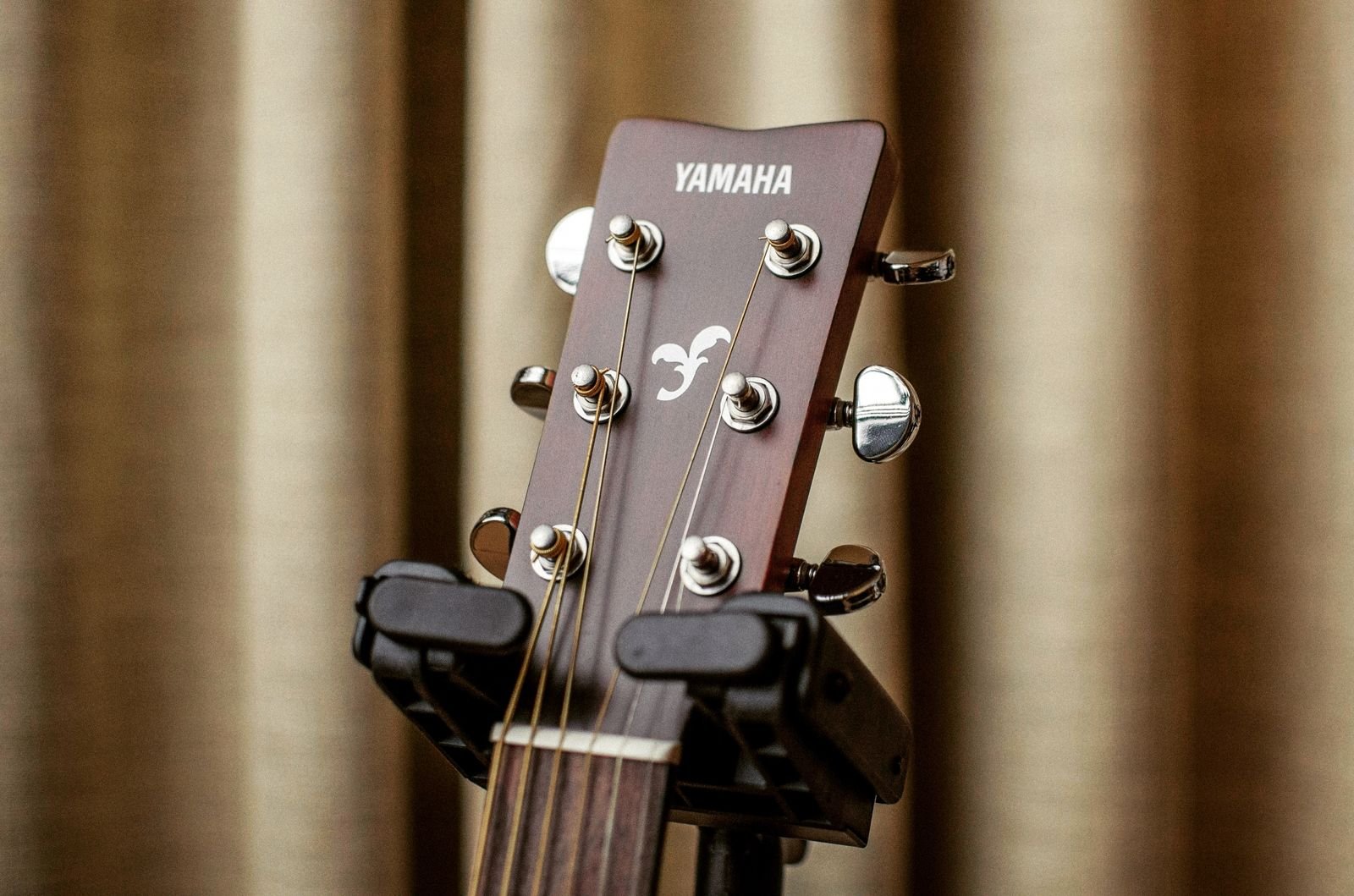
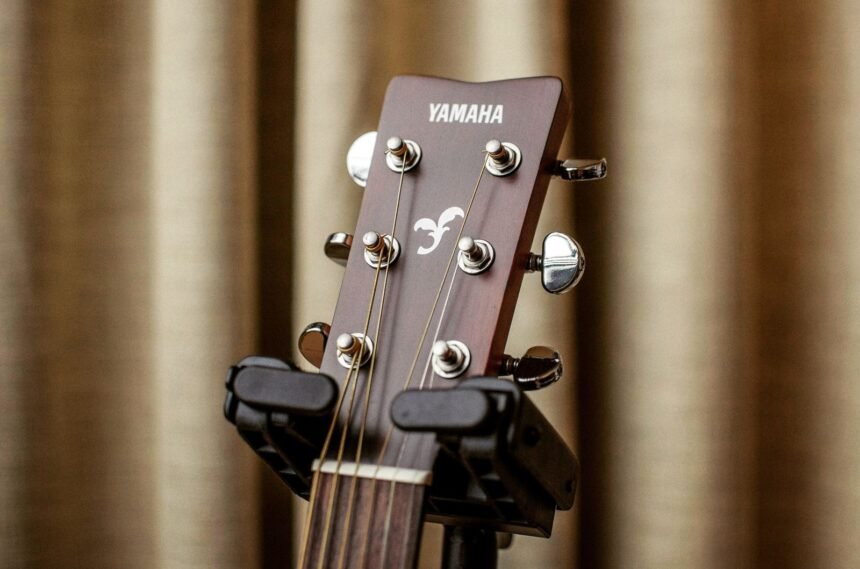
Yamaha calls the body shape “APX Traveler”, a single-cutaway thinline design with a spruce top and back and sides from what Yamaha now describes as locally-sourced tonewood rather than one named species. The fingerboard and bridge are rosewood, the nut and saddle are urea, a synthetic material rather than bone, which is normal at this price but part of why the unplugged tone doesn’t ring on quite as long as a solid-wood full-size guitar.
The genuinely useful detail, one a spec sheet buries but matters under your fingers, is that the nut width is 43mm and the string spacing is 10mm. Both are standard steel-string dimensions, not scaled down to match the smaller body. A lot of shrink-everything travel guitars narrow the neck along with the body, which makes chord shapes feel cramped. The APXT2 doesn’t do that, so it plays like a normal guitar even though it packs down to 34in overall length and fits in a case built for something much smaller.
The electronics, the actual reason to buy this over a plain 3/4 acoustic
The APXT2 runs Yamaha’s SYSTEM68 preamp with an A.R.T. one-way pickup, controls for volume and tone, and a built-in chromatic tuner, all wired to a single line-out jack. It’s powered by a couple of AA batteries rather than anything proprietary, so you’re never stuck hunting for a specific charger if it dies before a gig. A beginner practising in a hotel room or a shared flat can plug straight into headphones and keep playing without anyone else in the building hearing a note, which a purely acoustic 3/4 guitar simply can’t do.
The built-in tuner is a genuine convenience rather than a gimmick, since a guitar this size needs tuning attention more often than a full-size instrument, but it’s still worth keeping a proper clip-on tuner in the gig bag as a backup. Onboard tuners are handy for a quick check before you plug in, not something you want to be entirely dependent on if the battery dies mid-session.
Sound plugged in versus unplugged

Plugged into a small amp or a PA, the APXT2 holds up well for its size. Reviewers who’ve actually gigged with one consistently describe the amplified tone as full and usable, not thin or quacky the way some budget piezo systems sound once you push the volume. That’s the guitar doing what it’s actually built for, since Yamaha designed the APX line as a stage instrument first and an unplugged parlour guitar a distant second.
Unplugged is a different story, and it’s the genuine downside here. The small, shallow body doesn’t move enough air to sound full on its own, and it’s a fair description to call the unamplified tone thin, sometimes described by owners as boxy or tinny compared with a full-size dreadnought. Some players also report notes drifting slightly sharp up around the higher frets, not enough to need a setup, but noticeable if you’re used to a guitar with better intonation consistency. None of this matters much if you’ll mostly play through headphones or an amp. It matters a lot if you were hoping for a guitar that also sounds rich sitting on the sofa unplugged.
Where it falls down
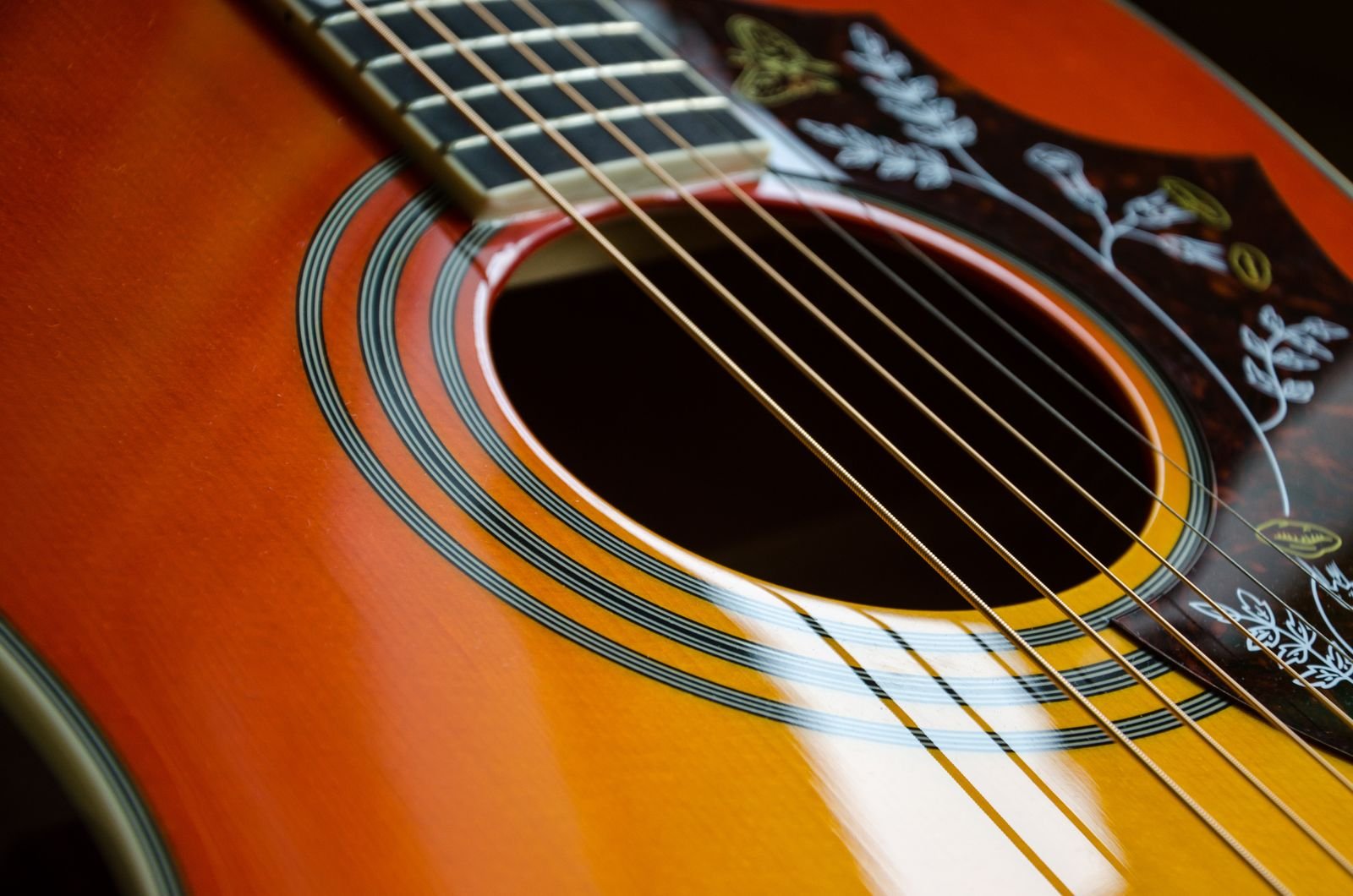
Beyond the thin unplugged tone, the urea nut and saddle are the other honest compromise. They’re durable and won’t crack the way a poorly fitted bone nut sometimes does, but they don’t transfer string vibration into the top quite as efficiently, which shows up as slightly shorter sustain. The gloss body finish also picks up fingerprints and light scuffs quickly, cosmetic rather than structural, but worth knowing if you want the guitar to still look sharp after a few months of actual use rather than a display shelf.
None of this makes the APXT2 a bad guitar. It makes it a specific one: built around plugging in, honest about being a smaller, cheaper instrument than a full-size Yamaha APX, and priced accordingly.
How we assessed this
We haven’t played this specific guitar hands-on. This review is built from Yamaha’s own published specifications for the APXT2, the live Amazon UK listing (checked 1 September 2026, confirmed in stock through third-party Amazon marketplace sellers rather than a direct Amazon buy box), and a direct comparison against the Traveler Guitar Ultra-Light Acoustic-Electric, which we’ve already covered on this site. Where a claim about sound or feel comes from owner reviews rather than Yamaha’s own documentation, we’ve said so rather than presenting it as our own hands-on impression.
Frequently asked questions
Is this the same guitar you already mention in your beginners guide?
Yes, the APXT2 is the “best all-rounder” pick in our guide to travel guitars for beginners, where it’s compared against four other 3/4-size options in a shorter format. This review goes into the build, electronics and genuine downsides in more depth than a five-way roundup has room for.
Is it a good first guitar for an adult beginner?
Yes, particularly if you know you’ll want to plug into headphones at some point. The standard nut width and string spacing mean it doesn’t feel like a toy under the fingers, which matters more for building good technique than the smaller body does.
Does it come with a case?
Yes, a padded gig bag is included. It’s fine for carrying to lessons or on a plane as hand luggage, but budget for a hard case separately if you’re checking it into the hold.
Will it fit in an airline overhead bin?
At 34in total length it’s built to travel-guitar proportions, but cabin baggage allowances vary by airline and aircraft rather than by any universal standard. Check our guide to flying with a guitar in the UK before you rely on it.
What if I don’t need the electronics?
Then you’re paying for something you won’t use. The Yamaha JR2, covered alongside the APXT2 in our beginners guide, is the honest no-electronics alternative at a lower price if you’re certain you’ll only ever play unplugged.
Weighing this up against other travel guitars? Our complete UK buyer’s guide to travel guitars covers how to choose across every price point and playing style, not just this one model.
The bottom line
Buy the Yamaha APXT2 if you want a proper Yamaha-built 3/4 acoustic-electric that plugs into headphones or a PA and doesn’t feel scaled-down under your fretting hand. Don’t buy it expecting a guitar that also sounds full and rich unplugged, that’s not what this body size does, on this guitar or any other. For a full-scale alternative that trades the standard nut feel for a longer neck and a completely different shape, see how it compares against the Traveler Guitar Ultra-Light Acoustic-Electric in our beginners guide.